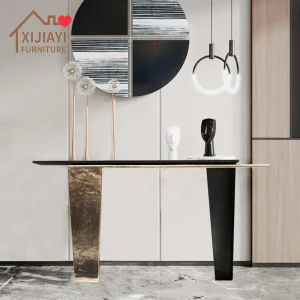
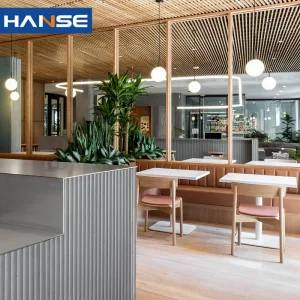
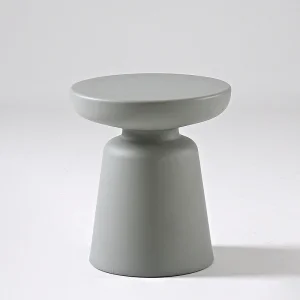
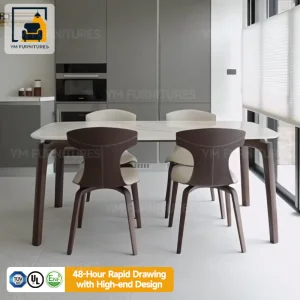
Precision engineered stone, resin, and metal designs configured to meet extreme structural durability demands of global commercial projects.
Navigating technical material innovations, structural testing standards, and spatial architecture requirements for modern commercial dining environments.
In modern urban planning and architectural interior design, the humble bistro table has evolved from a simple European sidewalk relic into a foundational structural element of high-traffic commercial environments. As multi-functional public spaces, hospitality venues, corporate breakout zones, and mixed-use commercial properties rise globally, the structural and material requirements of bistro tables have escalated exponentially. Today's commercial operators do not merely seek aesthetic furniture; they require long-term capital investments that boast extreme durability, UV resilience, structural integrity, and architectural flexibility.
Sourcing managers and architectural specifications professionals are increasingly looking beyond simple aesthetic criteria. For global contract applications (such as high-end hotels, fast-casual restaurant chains, and corporate campuses), furniture selection is governed by strict compliance measures including BIFMA/ANSI safety standards, chemical-resistant coating certifications, and material lifecycle analyses. As global trade channels tighten and supply chains demand greater transparency, selecting the correct manufacturer in China—the epicenter of precision industrial furniture fabrication—is critical to mitigating project risk.
Transitioning from standard low-density wood to high-performance sintered stones, natural Travertine, industrial-grade epoxy resins, and anti-corrosive stainless steel frames to survive high-humidity and heavy-use environments.
Global commercial clients leverage direct-to-factory partnerships to reduce margins, establish OEM specifications, and implement rigorous pre-shipment Quality Assurance testing protocols.
Designing and manufacturing tables with specialized scratch-resistant, heat-resistant, and structural load-bearing configurations to withstand decades of intensive sanitation and high guest turnover.
Behind-the-scenes industrial capabilities, export dynamics, and quality management systems of a leading North China furniture manufacturer.
Established in 2020, Hebei Hydra Furniture Co., Ltd. (operating under export license number 04869313) has built a stellar reputation as a specialized, research-driven manufacturer of premium natural stone, tempered glass, and stainless steel contract furniture. Centered in Hebei with direct deep-water logistics access through China's premier northern and southern maritime gates—including Guangzhou and Shenzhen Ports—Hydra Furniture seamlessly bridges the gap between raw material extraction and final global distribution.
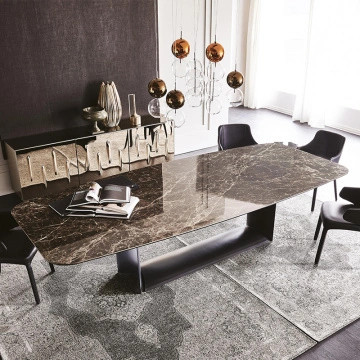
The company specializes in premium natural marbles, travertine, custom terrazzo, cured epoxy resins, and robust outdoor-grade metals. By combining computerized CNC stone-shaping centers with old-world artisan polishing techniques, Hydra Furniture produces high-tolerance bistro tables, tea tables, dining units, and custom-shaped lobby structures tailored to international specifications.
Hydra Furniture operates with an integrated R&D design approach, exporting 31% to 40% of its total annual production to major design-centric economies in North America, Northern Europe, Western Europe, and the Middle East. Operating with five independent production lines and a highly dedicated quality control division, the factory balances the flexibility of a customizable OEM studio with the throughput of a scalable industrial partner.
How technological integration in Chinese factories delivers unbeatable cost-to-performance metrics for international buyers.
The global furniture procurement sector is facing rapid shifts in shipping costs, labor rates, and raw material availability. To maintain a competitive edge, modern Chinese factories have embraced Industry 4.0 principles, deploying automation, digital inventory management, and precision CNC cutting to minimize material wastage. In natural stone processing, this translates to high-yield slab cutting, where marble and travertine blocks are digitally scanned to identify interior fractures before water-jet slicing, maximizing yield and eliminating defects before fabrication begins.
Furthermore, Hebei Hydra Furniture’s localized ecosystem enables rapid prototyping and short lead times. During peak seasons, the factory maintains a lead time of just one month, while off-season demands are fulfilled within 15 workdays. The integration of domestic chemical treatment facilities, proximity to world-class steel tube extruders, and raw stone yards allows for complete control over the production loop, insulating international clients from sudden localized material shortages.
| Operational Parameter | Factory Capabilities & Terms | Buyer Advantage |
|---|---|---|
| Incoterms Supported | FOB, CFR, CIF, EXW, FCA, CPT, CIP | Flexible shipping control matched to buyer’s global logistics framework. |
| Accepted Payment Terms | L/C, T/T, D/P, PayPal, Western Union | Secure transaction lines mitigating financial risk for long-term contract runs. |
| Quality Control (QC) Team | 21 to 30 dedicated inspectors | Guaranteed piece-by-piece tolerance checks before sea-freight packing. |
| Peak Season Lead Time | 30 calendar days (1 month) | Fast product-to-market performance compared to SE Asian competitors. |
| Off-Season Lead Time | 15 working days | Expedited replenishment loops for critical hospitality fit-outs. |
| OEM Capabilities | Full custom CAD/CAM processing | Architectural projects can customize base-to-top dimensions exactly. |
A technical deep-dive for architects and purchasing agents into stone densities, resin treatments, and structural metals.
Natural stones are prized for their unique geological profiles. Travertine, characterized by its naturally occurring vacuoles, is filled with color-matched premium resins and sanded to a smooth matte finish, preserving its thermal mass while creating a hygienic surface. Natural marble undergoes automated vacuum resin infusion to fill micro-fissures, followed by a double-coat UV-cured acrylic sealer. This makes the stone highly resistant to acidic food stains like coffee and wine, which commonly ruin lesser-grade stones in café environments.
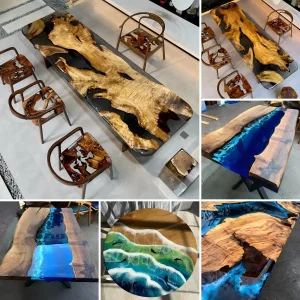
For high-traffic, contemporary spaces requiring vibrant branding, engineered resin tables combine a liquid polymer base with cross-linked chemical hardening agents. The result is a glass-like finish that is highly scratch-resistant, water-impervious, and impact-tolerant. Similarly, Hydra's terrazzo tables use post-industrial marble aggregates suspended in a cementitious or resinous substrate, presenting an eco-friendly circular economy product that contributes to LEED certification points in commercial green building projects.
A bistro table is only as durable as its structural support. For outdoor and marine-grade installations, 304 or 316-grade stainless steel is utilized. This material forms a passive, self-healing chromium oxide film that prevents iron oxide rust. For interior contract use, industrial-grade carbon steel bases are treated with an electrostatic thermosetting epoxy powder coating. This prevents chipping and scuffing from heavy foot traffic, high-acid cleaning products, and constant vacuum cleaner contact.
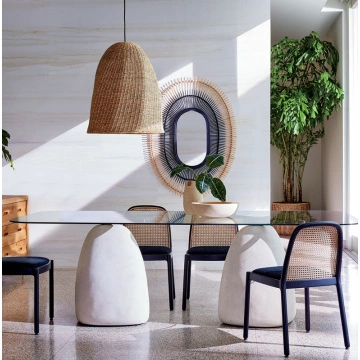
Analyzing regional aesthetic and physical requirements for European, American, and Middle Eastern markets.
Focuses heavily on ADA (Americans with Disabilities Act) height compliance and large table surfaces. Demands extremely heavy cast-iron or steel bases to prevent tipping in family dining settings. Prefers rustic travertine and high-gloss epoxy river tables for organic modern dining spaces.
Requires compliance with strict EN 581 standards for outdoor contract furniture safety. European buyers prioritize space optimization (such as folding mechanisms or compact 60cm square structures) alongside eco-certified sourcing and transparent carbon footprints during manufacturing.
Demands materials that can withstand intense UV index ratings and extreme thermal shifts. Outdoor bistro tables must utilize high-spec natural stones and powder-coat finishes that resist color fading, structural expansion, and sand abrasion in luxury developments.
Clear, technical advice directly from our design team, addressing critical procurement and logistical queries.
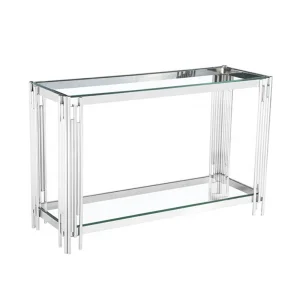
Discover our comprehensive collection of modern hotel console tables, outdoor dining sets, and specialized vintage design models.
 Hydra Furniture